Energy storage
What is an energy storage?
A battery storage system is the ideal complement to a solar power system, because households don't need as much solar power as they produce. The energy storage system stores the excess energy produced by the photovoltaic system during the day. Thanks to the battery storage, solar power is also available in the evenings, at night, and in the mornings.
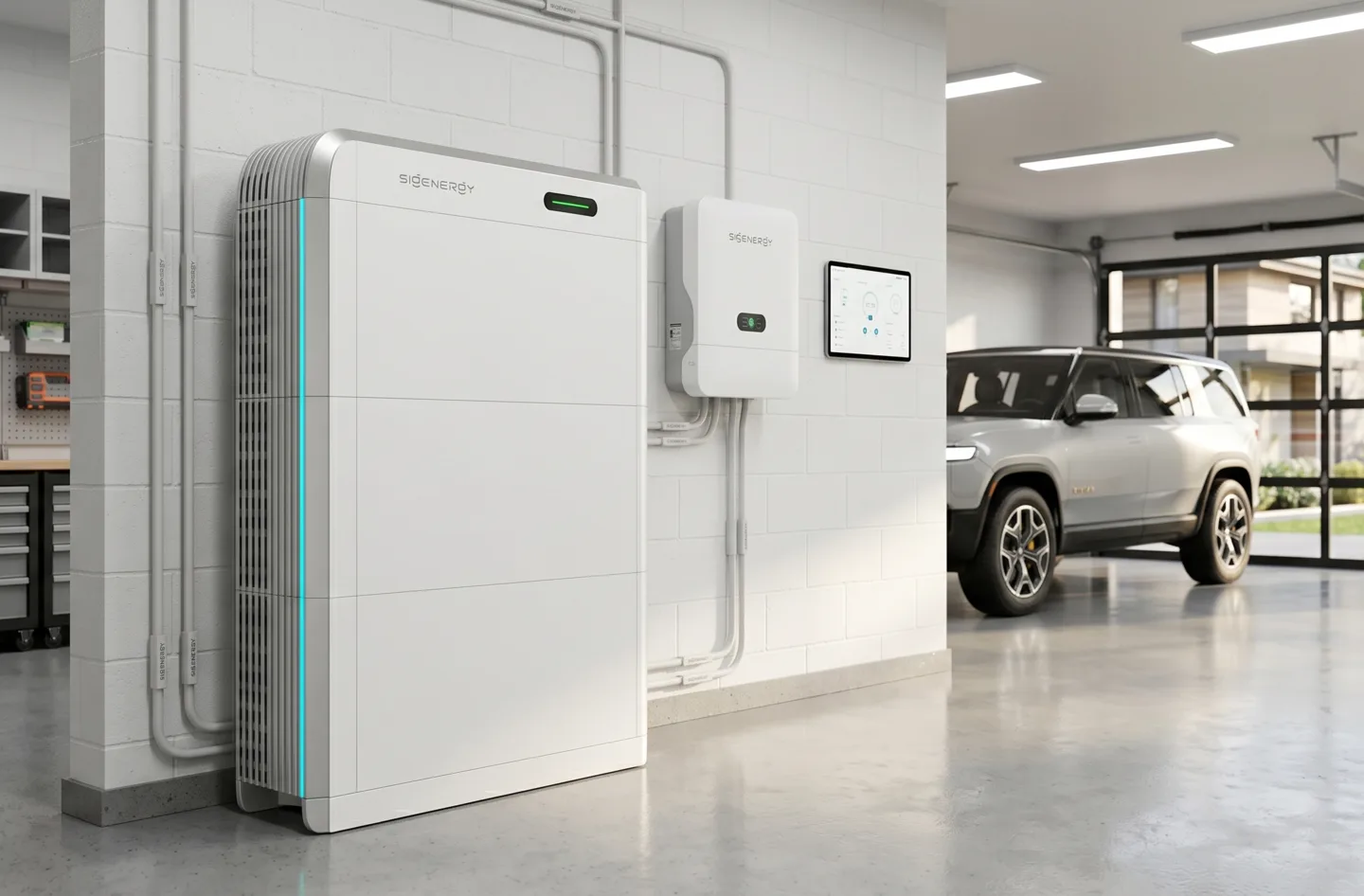
Your benefits
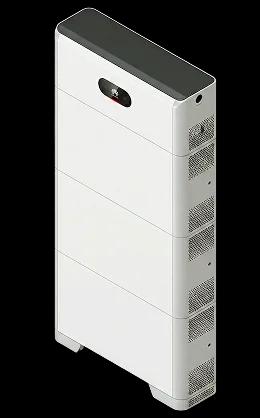
Huawei storage system at a glance
The perfect combination
Configure your own solar system in minutes with our solar calculator and receive a concrete offer immediately:
When does a battery storage system make sense?
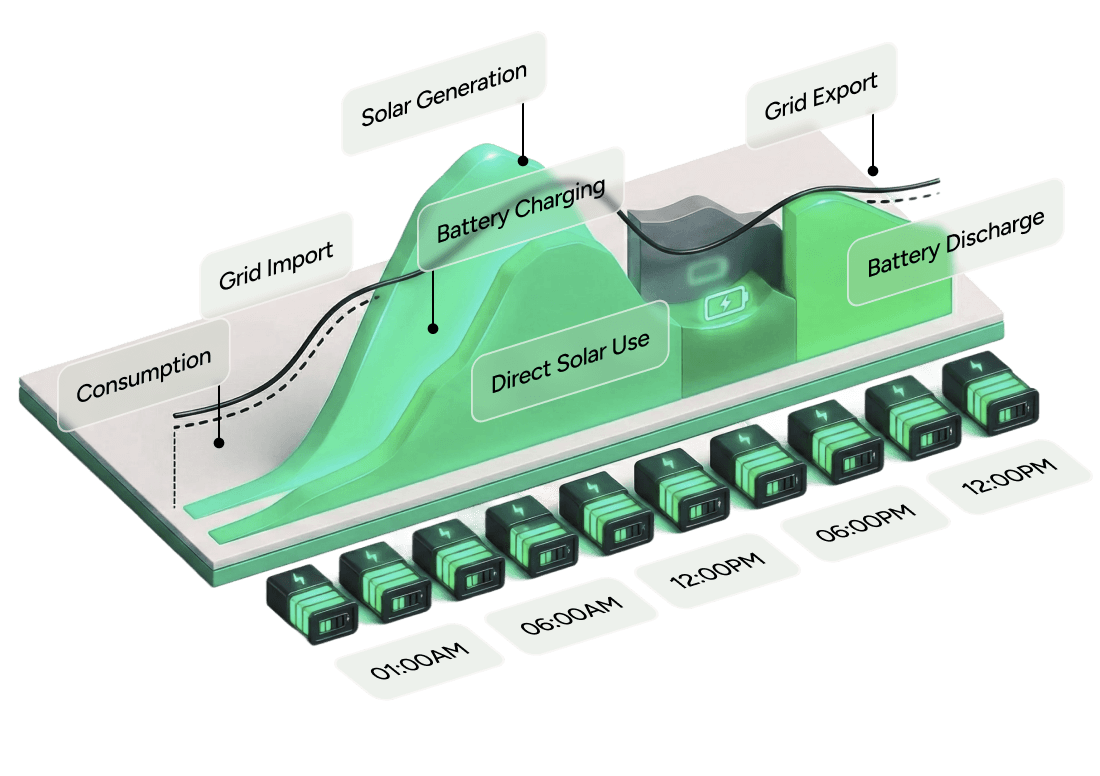
Solar panels produce the most electricity at midday, when household consumption is usually low. Without storage, excess energy is fed into the grid at low compensation rates. Maximizing self-consumption increases profitability and reduces electricity costs.
With a suitable storage solution, self-consumption can be increased from 30-35% to around 70%
How does an energy storage system work?
Solar energy can be used directly, stored in a battery, or fed into the grid. Excess power charges the battery, supplying the home from evening to morning; grid power is used only when the battery is empty. Optimal performance depends on the right system and battery size, ideally combined with intelligent energy control.
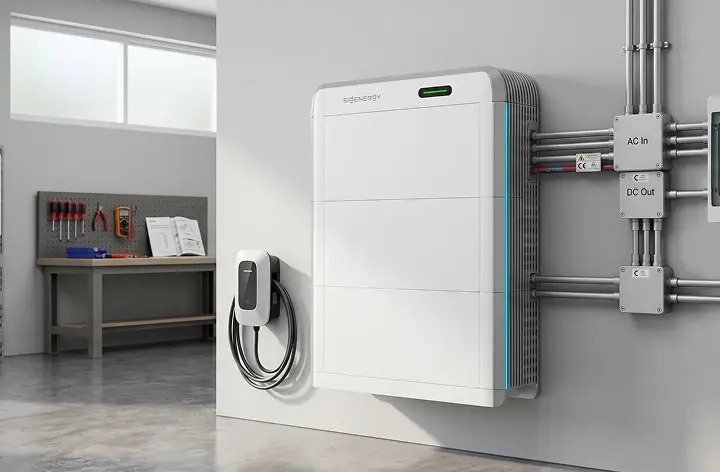
Battery Storage Installation
Based on your specific situation and needs, our experts will recommend either the AC or DC system. Installation is carried out by our experienced specialists, all of whom are certified by the manufacturer. FreeState automatically registers each installed battery with Inobat, ensuring the proper disposal of your aging energy storage system
Guide
Battery storage for your solar system: size, costs and when it pays off
A battery shifts solar power from midday to the evening. Whether that pays off depends less on the device than on your consumption, the size of the battery and your grid operator's tariffs.
What battery storage does
Without a battery, a household typically uses 30 to 35 per cent of its own solar power itself, and the rest flows into the grid. With a suitably sized battery, this share rises to around 70 per cent. Power from the roof then also covers the evening, the night and the early morning.
Every kilowatt hour from the battery replaces electricity from the grid. At the same time, you lose the payment you would have received for feeding it in. The benefit of the battery is the difference between the two.
What size is right?
A battery that is too large does not fill up on many days and is hardly used in winter. One that is too small is empty by early evening. The starting point is your electricity consumption between sunset and sunrise, not the output of the solar system.
A heat pump and an electric car change the calculation considerably, because they increase consumption in the evening and at night. That is why we size the battery on the basis of your load profile and not by a rule of thumb.
What does battery storage cost?
The price per kilowatt hour falls as the size increases, because the inverter, cabling and commissioning have to be paid for with every battery. A battery installed together with the solar system is therefore cheaper than a later retrofit.
Storage prices have fallen sharply. As an add-on to a new system we expect about €4,000 to €8,300 including VAT for 5 to 15 kWh, depending on size.
When a battery pays off
Storage pays off when a kilowatt hour from the battery costs less than the benefit it brings. In Austria that benefit is about 20 cents per kilowatt hour, the difference between an electricity price of about 27 cents and a feed-in tariff of about 7 cents.
- For it: high consumption in the evening and at night, a heat pump or an electric car, a low feed-in tariff, a state grant for storage.
- Against it: a small household that is at home during the day, a high feed-in tariff, storage that is too large for the roof.
Emergency power and backup power
A battery does not automatically keep supplying power during a power cut. That takes a system with a backup power function that safely disconnects the house from the grid. If this matters to you, say so before planning starts, because it affects the choice of battery and the electrical installation.
Planning battery, heat pump and electric car together
Heat is cheaper to store than electricity. A hot water tank or buffer tank takes up the midday surplus via the heat pump, and the electric car charges when the sun is shining. An energy management system distributes the solar power in this order, and the battery takes what is left after that.
Frequently asked questions about battery storage
What homeowners want to know before buying a battery.
It depends on your consumption in the evening and at night, on the feed-in tariff and on the storage price. With a heat pump or an electric car storage gains, because more of your own power stays in the house.
What counts is your electricity consumption between evening and morning. A battery that fills up on most days and is empty again overnight works economically. Bigger is not better.
Yes. It is cheaper to install the battery together with the solar system, because planning, cabling and commissioning then only happen once. If you want to retrofit later, choose an inverter for your system that is prepared for it.
Only with a system that has a backup power or emergency power function. An ordinary battery switches off during a grid failure for safety reasons.
The manufacturers of the batteries we install give a ten-year warranty. The usable capacity decreases slowly over the years, as with any battery.
Federal funding for 2026 is used up, and a bonus for storage systems is announced for 2027. Some federal states fund storage, for example Carinthia, Tyrol and Burgenland. We check what applies at your address before the offer.
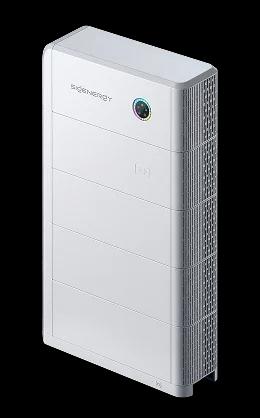
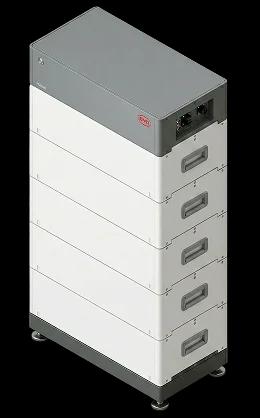
Our Storage Solutions
We install storage systems from leading manufacturers and offer you reliable, high-performance energy storage tailored to your needs.